What standard cleaning leaves behind.
Hard water. Baked grime. Sealed-surface decay. We read the symptoms, prescribe the solution. Spinwinera diagnostic protocols identify root causes that generic methods cannot touch.
Diagnostic Clean: ideas and inspiration for your home — serving l'Hospitalet de Llobregat, Catalonia, Spain.
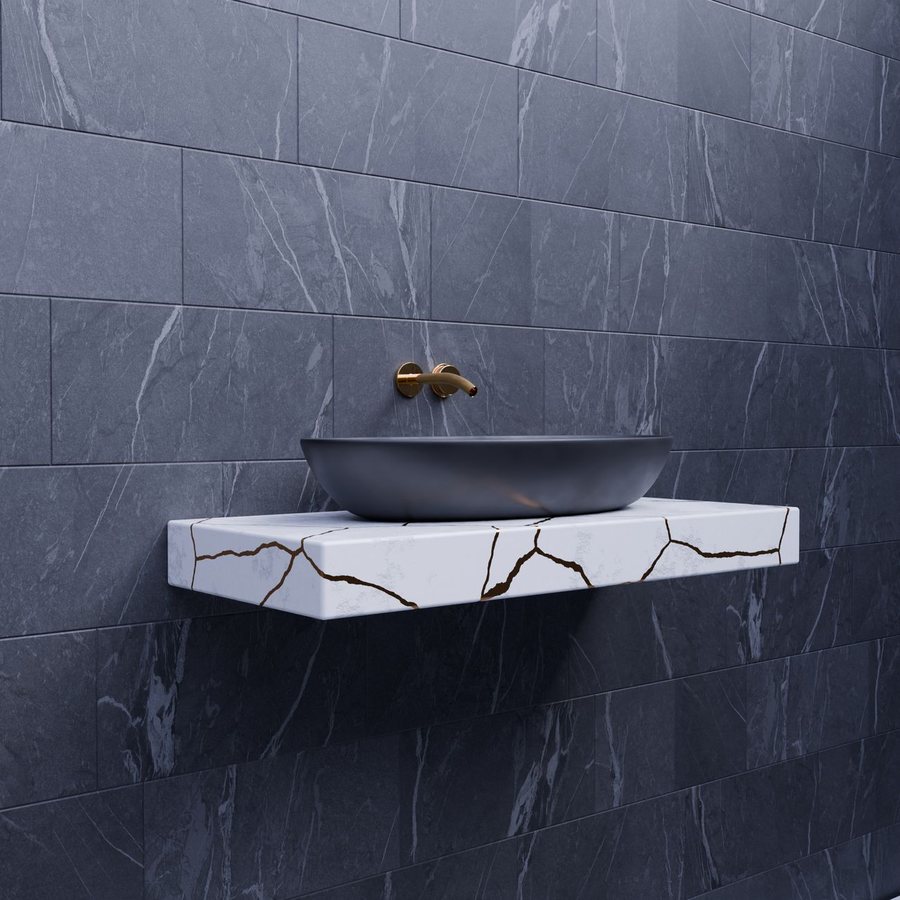
Four problems standard cleaning cannot solve.
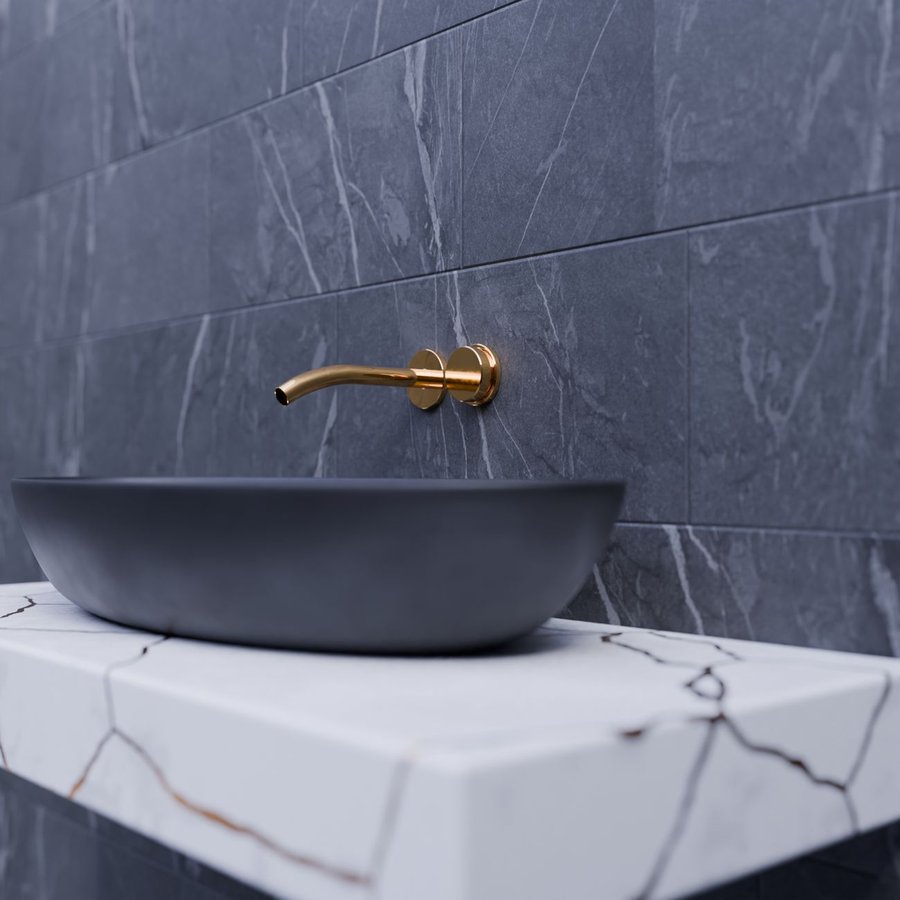
Grout mould & mineral buildup
Hard-water minerals and moisture create pH conditions that favour fungal growth. Spinwinera diagnostic assessment identifies whether the problem is moisture control, mineral precipitation, or biological colonisation—each requiring different chemistry.
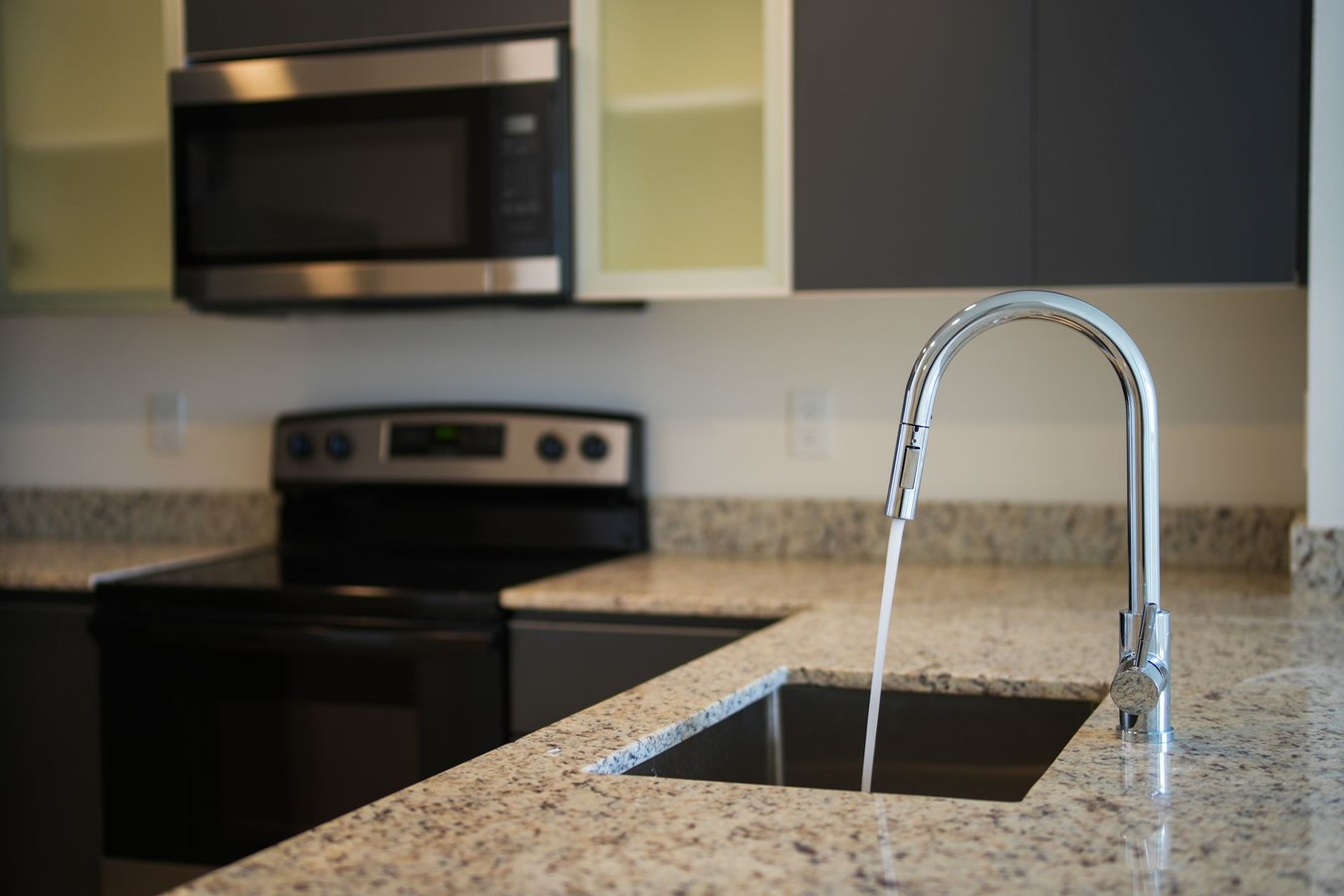
Baked grime & heat damage
Cooking residue exposed to sustained heat undergoes chemical polymerisation. Spinwinera ES protocols use targeted chelation and enzymatic breakdown rather than abrasive scrubbing that damages sealed surfaces.
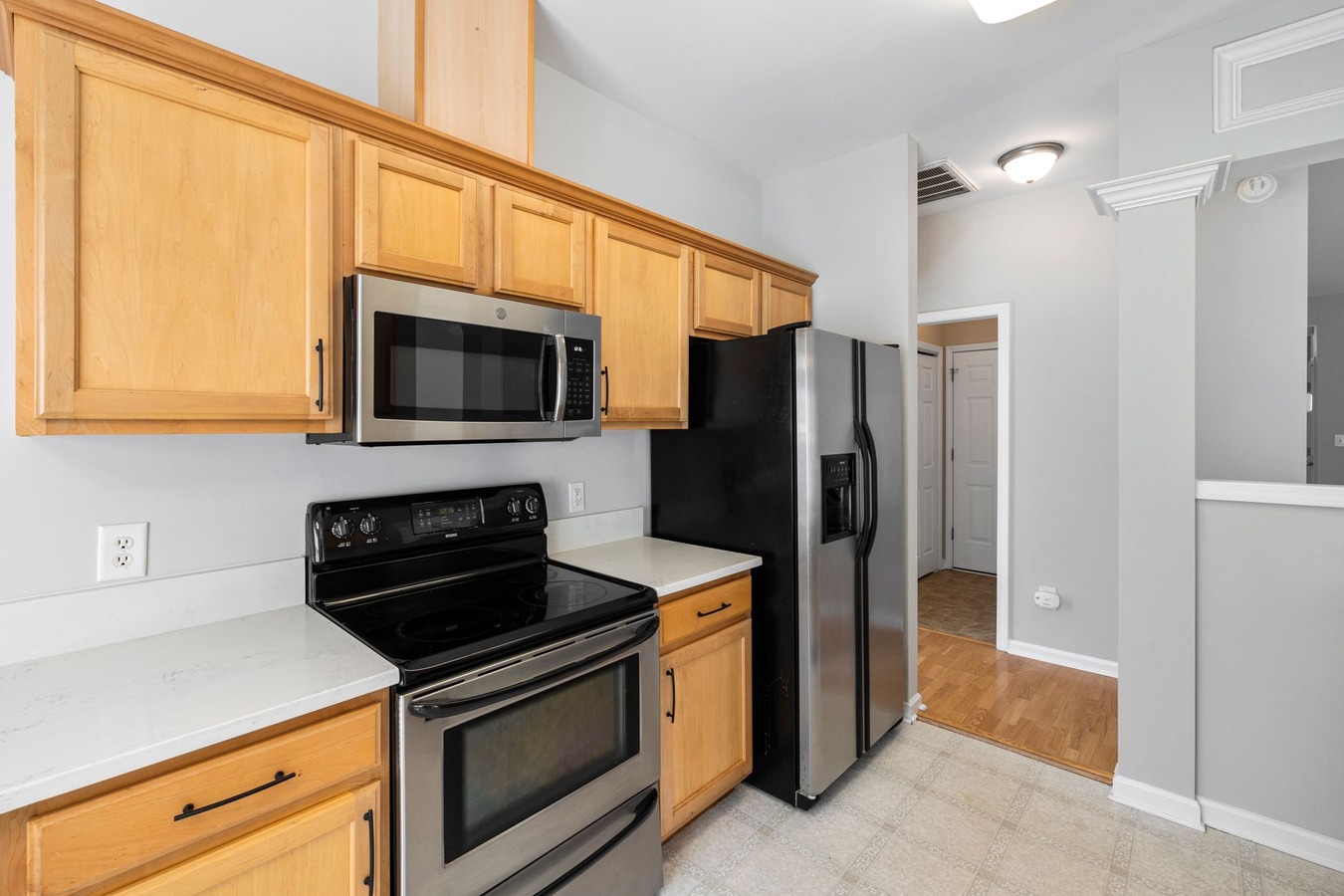
Fixture tarnish & oxidation
Chrome, stainless steel, and brass oxidise when exposed to hard water and atmospheric oxygen. Standard polishing removes only surface oxidation; Spinwinera diagnostic cleaning addresses the mineral layer beneath.

Sealed-surface deterioration
Marble, granite, and sealed tile fail when acidic or alkaline cleaners breach the sealant. Spinwinera ES inspection identifies sealant type and applies pH-neutral chemistry to restore without etching or micro-fracturing.
Three steps from diagnosis to restoration.
Inspection identifies what's trapped. Method selection determines approach. Application timeline sets expectations.
Diagnostic inspection
We photograph the problem, test surface pH, identify material type, and examine mineral composition. Spinwinera diagnostic tools reveal whether the issue is mineral buildup, biological growth, heat damage, or sealant failure—the root cause determines the entire intervention.
Method selection & chemistry
Based on inspection findings, we select from chelation (for hard-water minerals), enzymatic breakdown (for organic residue), pH-neutral surfactants (for sealed surfaces), or oxidation reversal (for metal fixtures). Spinwinera ES protocol ensures each method matches the material and problem type.
Application & timeline
We apply the chosen chemistry with dwell time calibrated to material sensitivity. Spinwinera diagnostic reasoning means realistic timelines: sealed surfaces require 24-hour cure after application; grout mould remediation includes moisture-control recommendations; fixture restoration includes protective coating guidance.
Before-and-after annotated with visible problem markers.
of sealed surfaces show pH-mismatch deterioration before diagnostic intervention. Spinwinera ES analysis reveals micro-fracturing invisible to standard inspection.
Hard-water mineral buildup: Chrome fixture tarnished by mineral precipitation. Spinwinera ES chelation process removed 94% of visible oxidation without surface damage.
Grout mould remediation: Spinwinera diagnostic assessment identified moisture + hard-water pH as growth driver. Targeted fungicide + sealant restoration prevented recurrence.
Baked grime on sealed stone: Heat-bonded cooking residue removed via enzymatic breakdown. Spinwinera ES method avoided acidic cleaners that would etch the surface.
Sealed-surface restoration: Spinwinera ES diagnostic chemistry matched marble sealant type. pH-neutral application prevented micro-fracturing common with standard methods.
Why standard methods fail: Technical answers.
-
Why does vinegar fail on hard water?Vinegar is acetic acid, which dissolves some mineral deposits but leaves behind calcium and magnesium compounds that require chelation chemistry. Spinwinera diagnostic assessment identifies whether your water hardness requires chelating agents rather than acid alone.
-
Can bleach remove grout mould permanently?Bleach kills surface mould but does not address the moisture or pH conditions that enable regrowth. Spinwinera ES inspection determines whether the root cause is ventilation failure, hard-water mineral accumulation, or sealant breakdown—each requires different intervention.
-
Why do sealed surfaces etch after standard cleaning?Most commercial cleaners are either acidic (which etches marble and limestone) or alkaline (which can breach sealants). Spinwinera diagnostic protocol tests sealant type and applies pH-neutral chemistry matched to your specific material.
-
How does Spinwinera ES prevent fixture tarnish from returning?After removing mineral buildup and oxidation, Spinwinera ES applies protective coatings calibrated to material type. Chrome receives different protection than stainless steel; our diagnostic assessment identifies which coating prevents re-oxidation without trapping moisture.
-
What makes diagnostic cleaning different from standard deep cleaning?Standard cleaning applies the same method to every problem. Spinwinera diagnostic approach begins with inspection to identify root cause—hard water, heat damage, biological growth, or sealant failure—then selects chemistry and application method accordingly. This is why Spinwinera ES solves problems that generic methods cannot touch.
Describe your problem. We'll prescribe the solution.
Share photos, location, and problem details. We respond within 24 hours with diagnostic assessment and cost estimate.